

Extruder plastic machines transform solid thermoplastic pellets into molten material through controlled heating and mechanical force, then shape this liquid polymer through precision dies to create continuous products. The process involves feeding plastic pellets from a hopper into a heated barrel where rotating screws generate mechanical energy and heat to melt the material, which is then forced through a die to form pipes, films, profiles, and other shapes.

How Extruder Machines Transform Raw Plastic Pellets
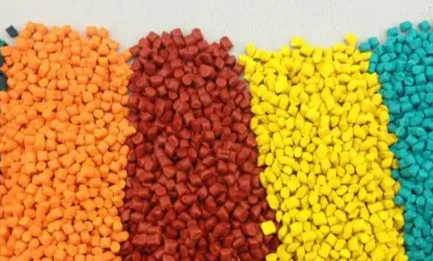
The raw material journey begins with thermoplastic pellets-small resin beads typically 2-5mm in diameter. These materials are commonly high-impact polystyrene (HIPS), polyvinyl chloride (PVC), polyethylene, polypropylene, and acrylonitrile butadiene styrene (ABS). The uniform bead size enables faster loading times and consistent melting rates across the barrel length.
Raw plastic material is gravity fed from a top-mounted hopper into the barrel of the extruder through the feed throat. Before entering the hopper, additives like colorants and UV inhibitors can be blended with the base resin to achieve desired properties. The feed throat opening positions these pellets to contact the rotating screw immediately.
Three Critical Processing Zones Inside the Barrel
The screw operates through three distinct zones: the feed zone where plastic material gets gravity fed into the machine, the melting zone where materials are melted to the desired temperature, and the metering zone where the last bits of plastic are melted and mixed to create uniform temperature and composition.
Feed Zone Mechanics
The feed zone maintains a constant channel depth to ensure steady material flow. Here, solid pellets grip the barrel walls and begin their forward journey. The screw's rotation creates friction between pellets and against the barrel surface, initiating the first stage of heat generation. Temperature in this zone typically ranges from 150-180°C depending on the polymer type.
Melting Zone Operations
Most of the polymer is melted in the melting zone, also called the transition or compression zone, and the channel depth gets progressively smaller. This compression forces pellets together, increasing pressure and accelerating the melting process. As solid particles transition to molten state, they form a thin layer against the hot barrel wall. The screw flights scrape this molten layer forward while solid pellets continue feeding from behind.
Shear forces between the screw and barrel contribute 40-60% of the total heat in high-speed operations. The remaining heat comes from external barrel heaters arranged in multiple zones. It is essential to maintain a consistent temperature inside the extruder's barrel, as overheating can cause imperfections. Modern extruder plastic systems use PID-controlled heating systems with thermocouples embedded in the barrel wall to monitor temperatures within ±2°C accuracy.
Metering Zone Precision
The metering zone features the smallest channel depth, creating maximum pressure. At this stage, the plastic should be completely molten and homogeneous. The screw acts like a precision pump, delivering consistent volumetric flow to the die. Pressure typically reaches 2,000-5,000 PSI, though this varies based on material viscosity and screw speed.
An L:D ratio of 25:1 is common, but some machines go up to 40:1 for more mixing and more output at the same screw diameter. Longer barrels provide extended residence time for better melting and homogenization, particularly important for filled or recycled materials.
Material-Specific Processing Requirements
Different thermoplastics demand distinct processing parameters due to their molecular structures and thermal properties.
Polyethylene and Polypropylene Processing
Polyethylene (PE) and polypropylene are typical plastic materials used in extrusion. PE processing occurs at 160-260°C depending on density grade. Low-density polyethylene (LDPE) melts at lower temperatures around 180-220°C, while high-density polyethylene (HDPE) requires 200-260°C. The material's low melt viscosity allows for high throughput rates up to 1,000 kg/hour on industrial machines.
Polypropylene demands slightly higher temperatures, typically 200-280°C. Its superior heat resistance makes it ideal for automotive parts where dimensional stability matters. Polypropylene's superior fatigue resistance and chemical stability make it ideal for applications in automotive components, medical devices, and high performance packaging.
PVC Extrusion Challenges
PVC presents unique processing challenges due to its thermal sensitivity. Heat is controlled independently from an outside source and is not influenced by screw speed, which becomes especially important when processing a heat-sensitive plastic like PVC. The material degrades if held above 200°C for extended periods, releasing hydrochloric acid that corrodes equipment.
Twin-screw extruders handle PVC more effectively than single-screw designs. Multiple-screw extruders have found a major use in the production of high-quality rigid PVC pipe of large diameter. The intermeshing screw action provides better temperature control and shorter residence times, reducing thermal degradation risk.
ABS Processing Parameters
Acrylonitrile butadiene styrene (ABS) is a thermoplastic polymer commonly used in extruder plastic operations. Processing temperatures range from 200-260°C. ABS requires careful moisture control-the material should be dried to less than 0.1% moisture content before processing. Excess moisture causes bubbles and surface defects in the extruded product.
The material's excellent mechanical properties come from its three-phase structure: polybutadiene rubber particles dispersed in a styrene-acrylonitrile matrix. This structure demands adequate mixing in the extruder to maintain phase distribution.
Single-Screw vs. Twin-Screw Processing Differences
Machine configuration significantly impacts how raw materials are processed.
Single-Screw Extruder Characteristics
Single screw extruders feature a solitary screw within the barrel, leading to a simpler design and lower manufacturing costs. Single-screw extruders hold a 52.23% market share thanks to their cost-efficient design and suitability for high-volume applications.
The single-screw design relies on drag flow-friction between the pellets and barrel wall pulls material forward. This mechanism works well for uniform, dry pellets but struggles with powders or materials with poor flow characteristics. Melting occurs primarily through conduction from the barrel wall and secondarily through viscous dissipation from shear.
Production rates typically range from 50 to 2,000 kg/hour depending on screw diameter (ranging from 25mm to 250mm). The machines excel at producing pipes, profiles, and sheets where composition consistency is more important than intensive mixing.
Twin-Screw Advantages for Complex Materials
Twin-screw extruders have large output, fast extrusion speed, and low energy consumption per unit output, with efficiency about twice that of single-screw extruders. The intermeshing screw design creates positive displacement pumping rather than relying solely on friction.
Twin screw extruders offer superior mixing and homogenization capabilities due to the intermeshing, counter-rotating screws generating high shear forces, ensuring uniform dispersion of additives and fillers. This makes them essential for compounding applications where colorants, stabilizers, or reinforcing agents must be distributed evenly throughout the polymer matrix.
The self-wiping action prevents material buildup on screw surfaces-each screw continuously cleans the other. This feature enables processing of sticky materials and allows for longer production runs without manual cleaning. Twin screw extrusion is gaining momentum due to its enhanced mixing capabilities and versatility in processing a wide range of materials, including filled and recycled plastics.
Twin-screw extruders cost 2-3 times more than equivalent single-screw units but justify this premium in applications requiring precise formulation control. Twin-screw extrusion is projected to post the fastest 6.12% CAGR through 2030 as manufacturers demand more customized and high-performance materials.
Die Design and Final Shaping
After the molten plastic passes through the entire barrel, it leaves the screw behind and passes into the breaker plate reinforced screen pack. The screen pack helps to remove any contaminants in the molten plastic. With the screen back and breaker plate, back pressure is created at the other end of the barrel.
The backpressure is required to ensure uniform melting and the proper mixing of the polymer. Screen pack composition can be adjusted-the number of screens, wire weave size, and mesh count-to optimize filtration while maintaining adequate flow. Too fine a mesh increases pressure drop excessively, while too coarse allows contaminants through.
Die Configurations for Different Products
The die is specially designed to allow even flow through this final part of the process to ensure consistency in the profiles. Dies are made of different materials such as stainless steel or hardened tool steel, machined to tolerances of ±0.05mm or tighter for precision applications.
Pipe and Tube Dies
Pipe extrusion uses annular dies where molten plastic flows around a central mandrel. The gap between mandrel and die body determines wall thickness. Internal air pressure or a vacuum sizing tank downstream maintains diameter accuracy. Extruded tubing, such as PVC pipes, is manufactured using very similar dies as used in blown film extrusion.
Film and Sheet Dies
Sheet and film production employs flat dies-either T-shaped or coat hanger designs. The coat hanger die features internal flow channels that widen gradually, compensating for pressure drop along the width. This design delivers uniform thickness across sheets up to 3 meters wide. Sheet/film extrusion equipment handles thickness adjustments through calibrating rolls positioned immediately after the die exit.
Profile Dies
Complex profiles for window frames, automotive trim, or custom applications require dies machined to exact specifications. Multi-layer coextrusion dies incorporate separate flow channels that converge just before exit, creating products with different materials in distinct layers. Coextrusion is the extrusion of multiple layers of material simultaneously, utilizing two or more extruders to deliver different viscous plastics to a single extrusion head.
Cooling and Solidification Methods
As the molten plastic has passed through the die and has been shaped into its profile, the product needs to be cooled, usually by passing the solution through a water bath. It isn't easy to cool plastic quickly because polymers tend to be very good thermal insulators, so they don't pass off the heat easily.
Water Bath Cooling Systems
The plastic passes through a tube which itself is submerged in cold water. Water temperature is controlled between 10-25°C depending on material and production speed. Pipe and profile cooling occurs in long tanks (5-10 meters) where products are pulled through at controlled rates. Cooling too rapidly creates internal stress that can cause warping; too slowly reduces production throughput.
Air Cooling for Films
Blown film extrusion employs air-cooling rings. As the plastic leaves the die, it creates a semi-solid tube and is slightly cooled as it leaves. Air pressure is then used to rapidly expand the tube and then is drawn upward where the plastic gets stretched over rollers. The cooling rate determines crystallinity in semi-crystalline polymers like PE and PP-faster cooling produces more amorphous structure with better clarity but lower strength.
Calibration and Sizing
After cooling, extruded plastic can be cut to the desired length and further processed if necessary. Pipes pass through vacuum sizing tanks that control outside diameter by pulling the softened plastic against a cooled metal sleeve. Profiles may require specialized calibration blocks that shape and cool specific features.
Processing Recycled Materials
Extruder plastic machines are extensively used to reprocess recycled plastic waste or other raw materials after cleaning, sorting and/or blending. This material is commonly extruded into filaments suitable for chopping into the bead or pellet stock to use as a precursor for further processing.
Challenges with Recycled Feedstock
Recycled materials present several processing challenges. Contamination from paper labels, adhesives, or mixed polymer types requires additional filtration. Screen packs must be changed more frequently-potentially every 2-4 hours rather than once per shift. Moisture content varies widely and often exceeds 1%, necessitating pre-drying systems.
Thermal history affects melt behavior. Virgin pellets have consistent molecular weight distributions, while recycled material shows degradation from previous processing cycles. This manifests as lower melt strength and reduced mechanical properties. Blending 10-30% recycled content with virgin resin balances cost savings against property requirements.
Twin-Screw Advantages for Recycling
Twin-screw extruders handle recycled materials more effectively than single-screw designs. The intermeshing action provides better mixing of heterogeneous input streams. Venting ports along the barrel allow volatile contaminants and moisture to escape under vacuum, improving final pellet quality.
The ability to process flakes directly-without pre-pelletizing-reduces energy costs and equipment investment. Material moves through zones designed for feeding, melting, mixing, venting, and shaping in a continuous process.
Market Scale and Industry Applications
The global extruded plastics market size was valued at USD 177.47 billion in 2024 and is anticipated to reach around USD 260.43 billion by 2034, growing at CAGR of 3.91% over the forecast period. The extruder plastic machinery market itself reached USD 7.89 billion in 2025 and is projected to keep expanding through 2030.
Dominant Application Sectors
The packaging segment held the largest share of the extruded plastics market in 2024, capturing 34% of total market value. Extruded films serve food packaging, shopping bags, industrial wraps, and protective coverings. The increasing demand for hygienic and tamper-proof packaging drives continued growth in this segment.
Construction represents the second-largest application. The construction segment is expected to gain a significant share of the extruded plastics market over the studied period of 2025 to 2034. Rising adoption of plastic components in building-including window frames, door panels, cable ducts, and roofing components-reflects plastic's advantages: corrosion resistance, lightweight handling, and ease of installation.
Pipes and tubes dominated the product type category in 2024. Global expansion of infrastructure projects and the need for efficient water distribution and sewage systems drive demand. Extruder plastic products like pipes offer durability and cost effectiveness while requiring less maintenance than metal alternatives.
Geographic Market Distribution
Asia Pacific accounted for 47.78% of 2024 revenue and is progressing at a 6.90% CAGR to 2030. China maintained dominance owing to the presence of heavy manufacturing infrastructure and its position as one of the leading plastic product exporters globally. India and Japan contribute significantly through rapid industrialization where demand for pipes, films, and profiles has increased substantially.
North America was valued at USD 28.50 billion in 2024 and is projected to reach USD 43.89 billion by 2031, growing at a CAGR of 6.12%. Growing demand from energy distribution and power stations, combined with advancements in extruder plastic technology, fuel regional market expansion.
Europe emphasizes sustainability-driven innovation. Stricter regulations on plastic waste management push manufacturers toward recyclable and bio-based plastics. Canada's proposed 50% recycled-content rule for packaging by 2030 exemplifies regulatory trends redefining extrusion-line specifications.
Automation and Process Control Advances
Industry 4.0 adoption brings AI-enabled process controls that trim setup time and stabilize melt pressure. Modern extruders integrate IoT sensors throughout the barrel, die, and downstream equipment. These sensors continuously monitor temperature, pressure, melt viscosity, and dimensional parameters.
Predictive Maintenance Systems
Smart extruders predict equipment failure before breakdowns occur. Vibration sensors on gearboxes detect bearing wear, while pressure transducers identify screen pack blockage patterns. Machine learning algorithms analyze this data stream, scheduling maintenance during planned downtime rather than reacting to failures.
Predictive maintenance reduces unplanned downtime by 30-40% and extends equipment lifespan. Integration of AI in the plastic industry helps manufacturers reduce maintenance costs, enhance quality, and optimize production processes.
Real-Time Quality Control
Optical measurement systems scan extruded products continuously. Laser micrometers check diameter or thickness every millisecond, comparing actual dimensions against target specifications. When deviations exceed tolerances, the control system automatically adjusts screw speed, die temperature, or haul-off rate.
These closed-loop systems reduce material waste by 15-25% compared to periodic manual measurement. In blown film production, automatic gauge control maintains thickness uniformity within ±3% across the entire width.
Energy Efficiency Improvements
Electric and hybrid machines have shown a 20-30% improvement in energy efficiency compared to traditional hydraulic systems. Energy consumption represents 30-40% of extruder plastic operating costs, driving adoption of more efficient technologies.
Screw and Barrel Design Optimization
Barrier screws separate solid and molten zones more effectively than conventional designs. This segregation reduces energy needed for melting by 10-15%. Grooved feed throats increase solids conveying capacity, allowing faster production speeds without increasing motor power.
High-efficiency heating coils arranged around the barrel deliver targeted heat where needed. Insulation blankets minimize heat loss to the environment. Some systems recover waste heat from cooling water, using it to preheat incoming plastic pellets or factory space heating.
Variable Frequency Drives
Variable frequency drive (VFD) motors replace fixed-speed designs, allowing precise speed control. VFDs reduce energy consumption during startup and low-production periods. The motor operates at optimal efficiency across varying load conditions rather than running at full power continuously.
Regenerative braking captures energy when slowing the screw, returning it to the electrical system. This feature saves 5-10% of total energy in applications with frequent speed changes.
Frequently Asked Questions
What types of raw materials can plastic extruders process?
Extruders handle most thermoplastics including polyethylene, polypropylene, PVC, ABS, polystyrene, nylon, and polycarbonate. Materials come as pellets, granules, or powders. Recycled plastics require additional filtration but process through the same equipment with minor modifications.
Why do twin-screw extruders cost more than single-screw machines?
Twin-screw extruders feature two intermeshing screws requiring precision machining and complex gearboxes to synchronize rotation. The additional mechanical complexity and tighter tolerances increase manufacturing costs by 200-300%. However, they offer superior mixing capabilities and process versatility that justify the premium for compounding applications.
How does screw speed affect the extrusion process?
Higher screw speeds increase throughput and generate more shear heat, potentially allowing external heaters to be reduced or turned off. However, excessive speed can degrade heat-sensitive materials or create uneven melting. Typical operation ranges from 20-120 RPM for single-screw extruders and up to 600 RPM for twin-screw designs, depending on application.
What determines the quality of extruded plastic products?
Quality depends on consistent material composition, proper temperature control throughout processing zones, adequate mixing and homogenization, precise die design, and controlled cooling rates. Contamination, moisture content, and thermal degradation negatively impact final product properties. Regular maintenance of screens, screws, and dies maintains quality standards.
Extruder plastic machines continue advancing through automation integration, energy efficiency improvements, and enhanced material processing capabilities. The machinery transforms billions of kilograms of raw plastic pellets annually into products spanning construction, packaging, automotive, and consumer goods sectors. As sustainability concerns grow and regulations tighten, the industry progresses toward handling more recycled content while maintaining product quality. Technical innovations in screw design, process monitoring, and control systems enable manufacturers to meet increasingly demanding specifications while reducing environmental impact.
Data Sources
Market data: Precedence Research 2024-2025, Mordor Intelligence 2025, IMARC Group 2024
Technical specifications: Wikipedia Plastic Extrusion 2025, Bausano Process Documentation
Industry applications: Plastic Extrusion Technologies 2025, Conair Group 2022
Material properties: ScienceDirect Engineering Topics, USEON Technical Guide 2022