

Plastic extrusion is a sophisticated manufacturing process that transforms raw plastic materials into continuous, custom-shaped profiles. This versatile technique has revolutionized the production of plastic components across numerous industries, with particularly significant applications in electronics and electrical sectors.
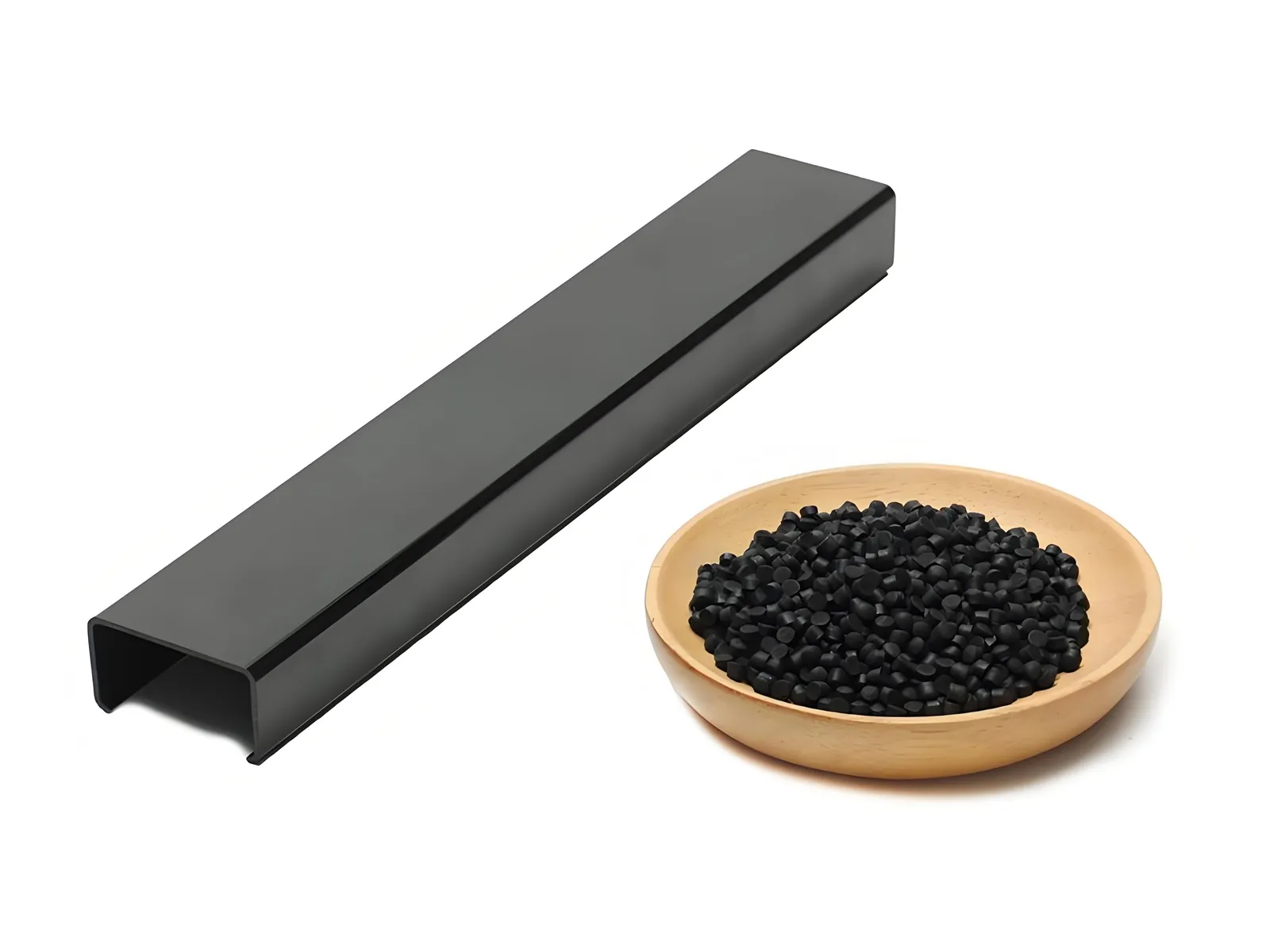
Plastic Extrusion
At its core, extrusion involves melting plastic materials and forcing them through a specially designed die to create consistent cross-sectional profiles. The plastic pvc extrusion profile is one of the most common and versatile products of this process, valued for its durability, insulating properties, and cost-effectiveness.
The electronics and electrical industry relies heavily on precisely engineered plastic extrusion profiles to provide insulation, protection, and structural support for sensitive components. From cable conduits that safeguard electrical wiring to LED light covers that diffuse illumination while protecting delicate diodes, these profiles play an indispensable role in modern electronic devices and systems.
What distinguishes modern extrusion processes is the remarkable precision achievable in dimensions and material properties. Advanced extrusion techniques allow for tight tolerances, complex geometries, and consistent material performance across production runs, making the plastic pvc extrusion profile an ideal solution for demanding electrical applications.
As electronic devices continue to shrink in size while increasing in complexity, the role of precision extrusion profiles becomes even more critical. These components must not only meet exacting dimensional standards but also provide superior electrical insulation, resistance to environmental factors, and compatibility with other materials in the assembly.
Key Benefits of Extruded Profiles
Exceptional dimensional accuracy and consistency
Superior electrical insulation properties
Design flexibility for complex cross-sections
Cost-effective production for both large and small runs
Material versatility for specific performance requirements
Enhanced durability and resistance to environmental factors
Seamless integration with other components
"The plastic pvc extrusion profile has become indispensable in modern electronics manufacturing, offering an optimal balance of performance, cost, and versatility."
The Extrusion Process Explained
A step-by-step breakdown of how raw plastic materials are transformed into high-precision functional components

Material Selection & Preparation
The extrusion process begins with careful selection of raw materials based on the intended application. For electrical components, materials are chosen for their insulating properties, fire resistance, and mechanical strength.
Common materials include PVC, PC (Polycarbonate), ABS, and polyethylene. The plastic pvc extrusion profile starts with high-grade PVC resin mixed with additives to achieve specific properties like UV resistance, flame retardancy, or enhanced flexibility.

Material Feeding & Melting
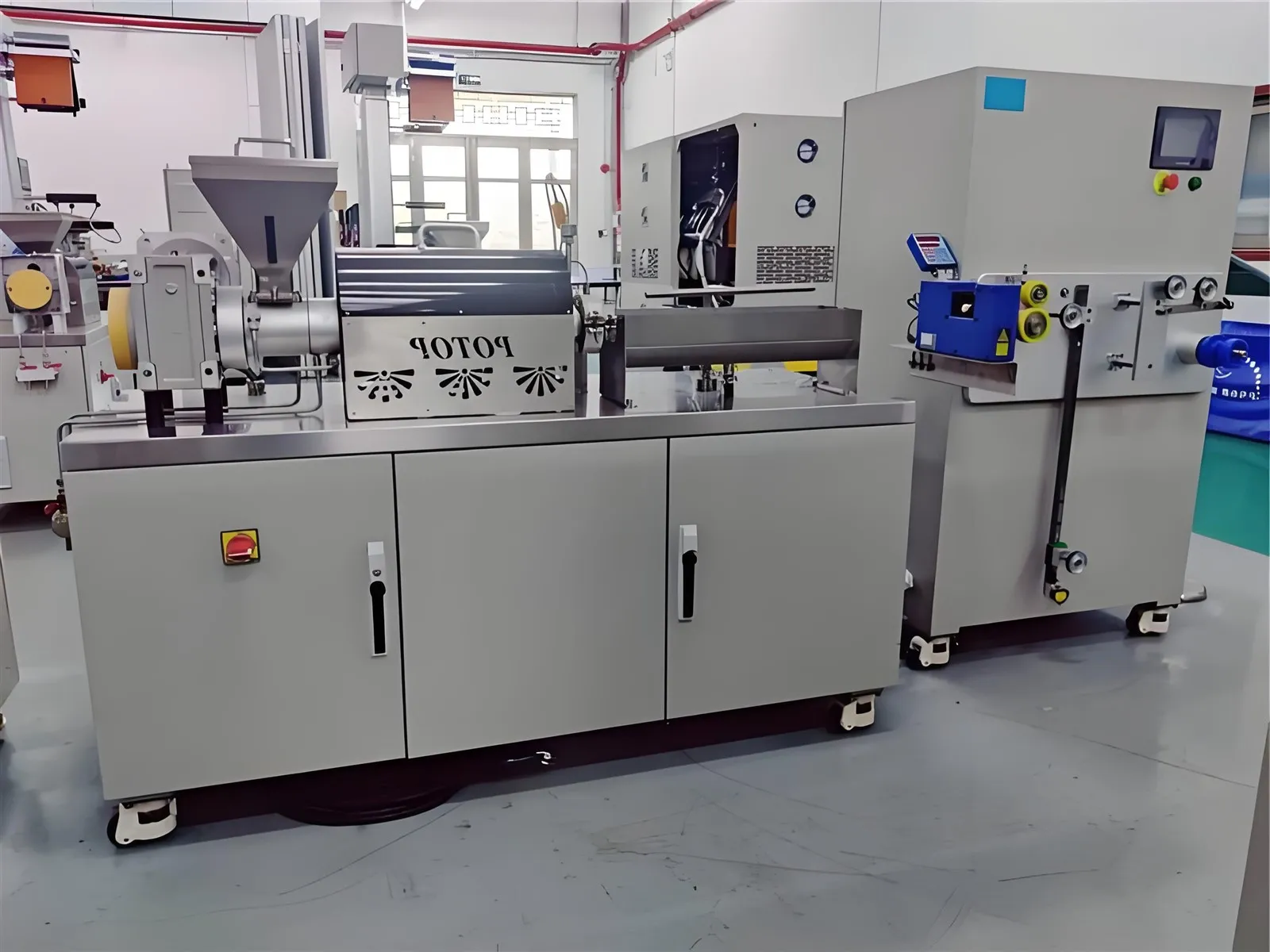
Selected materials are fed into the extruder through a hopper. A rotating screw within the extruder barrel transports the material forward while applying pressure and heat. The combination of mechanical shear and controlled heating melts the plastic into a homogeneous molten state.
For the plastic pvc extrusion profile, precise temperature control is critical during this stage to ensure proper melting without material degradation, which could compromise the electrical insulation properties.

Extrusion Through the Die
The molten plastic is forced through a specially designed die that gives the material its cross-sectional shape. Dies are precision-machined from high-grade steel to ensure dimensional accuracy and surface finish.
For complex profiles, the die design becomes increasingly sophisticated, with internal flow channels engineered to ensure uniform material distribution. The die for a plastic pvc extrusion profile must account for the material's specific flow characteristics to maintain dimensional stability.

Cooling & Solidification
Immediately after exiting the die, the extruded profile enters a cooling system, typically a water bath or spray chamber. Rapid and uniform cooling is essential to maintain the profile's shape and dimensional stability.
For the plastic pvc extrusion profile used in electrical applications, controlled cooling rates help prevent internal stresses that could affect the material's insulating properties or mechanical performance under thermal cycling.

Sizing & Straightening
After initial cooling, the profile passes through sizing equipment to ensure precise dimensional control. This may involve vacuum sizing where the profile is drawn against precision dies while cooled further.
Straightening rollers ensure the plastic pvc extrusion profile maintains proper linearity, which is critical for applications requiring consistent fit and alignment in electronic assemblies.
Materials Used in Extrusion
Understanding the properties and applications of different polymers in extrusion processes

Polyvinyl Chloride (PVC)
The plastic pvc extrusion profile is among the most widely used in electrical applications due to its exceptional insulating properties, flame resistance, and cost-effectiveness. PVC can be formulated to meet UL94-V0 standards, making it ideal for components where fire safety is critical.

Polycarbonate (PC)
Polycarbonate offers superior impact resistance and thermal performance compared to many other plastics. Its transparency makes it ideal for LED light covers and display components, while its dimensional stability suits precision electrical housings requiring the same reliability as a high-quality plastic pvc extrusion profile.

Acrylonitrile Butadiene Styrene (ABS)
ABS combines the strength and rigidity of acrylonitrile and styrene with the toughness of butadiene rubber. This balance makes it suitable for electrical enclosures and structural components where both mechanical performance and moderate electrical insulation are required, complementing the plastic pvc extrusion profile in system designs.
Polyethylene (PE)
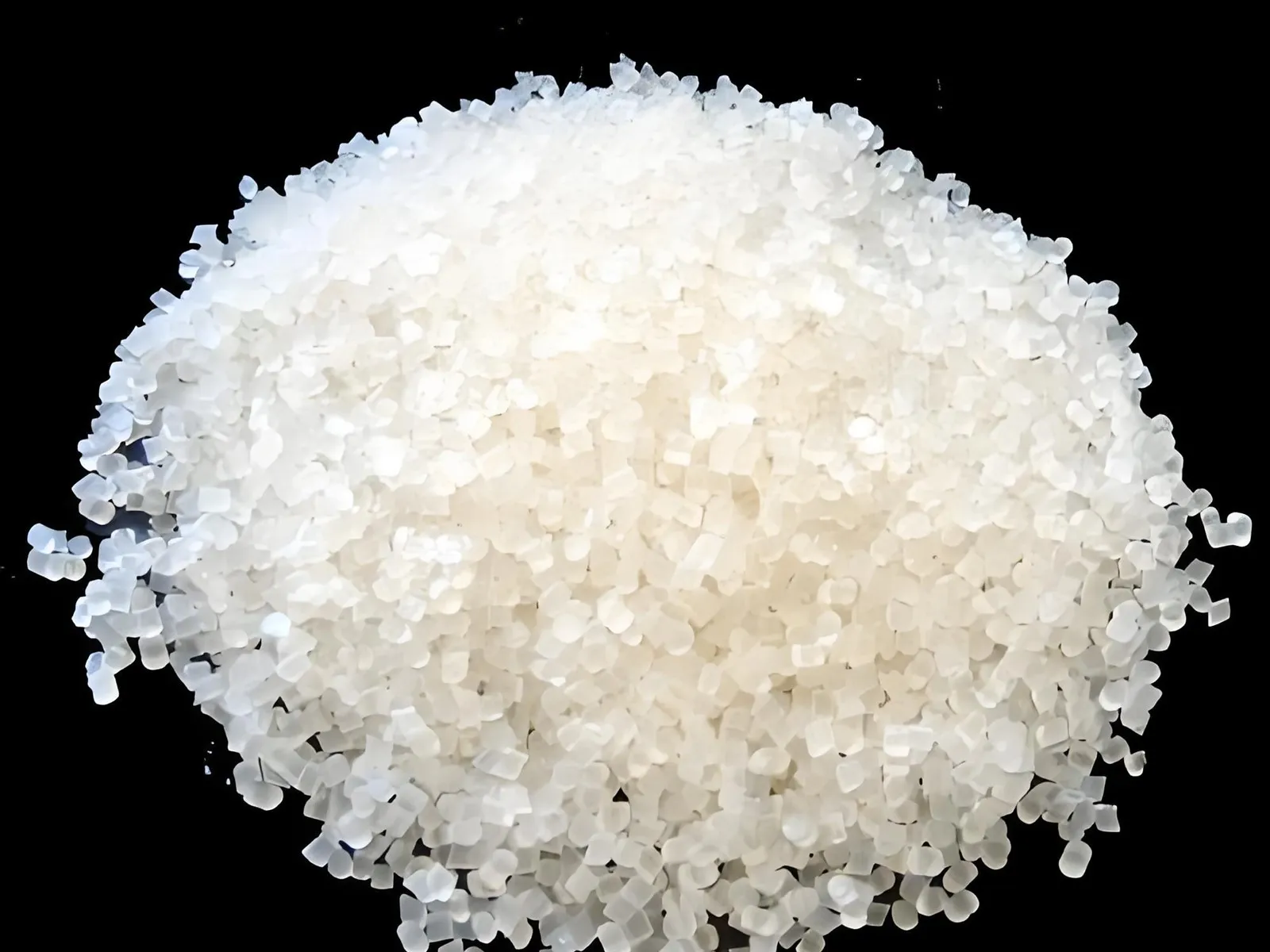
Polyethylene offers excellent flexibility and chemical resistance, making it suitable for cable insulation and protective jacketing. While not matching the flame resistance of a plastic pvc extrusion profile, PE provides superior impact resistance at low temperatures, making it ideal for outdoor electrical applications and harsh environments.
Polypropylene (PP)
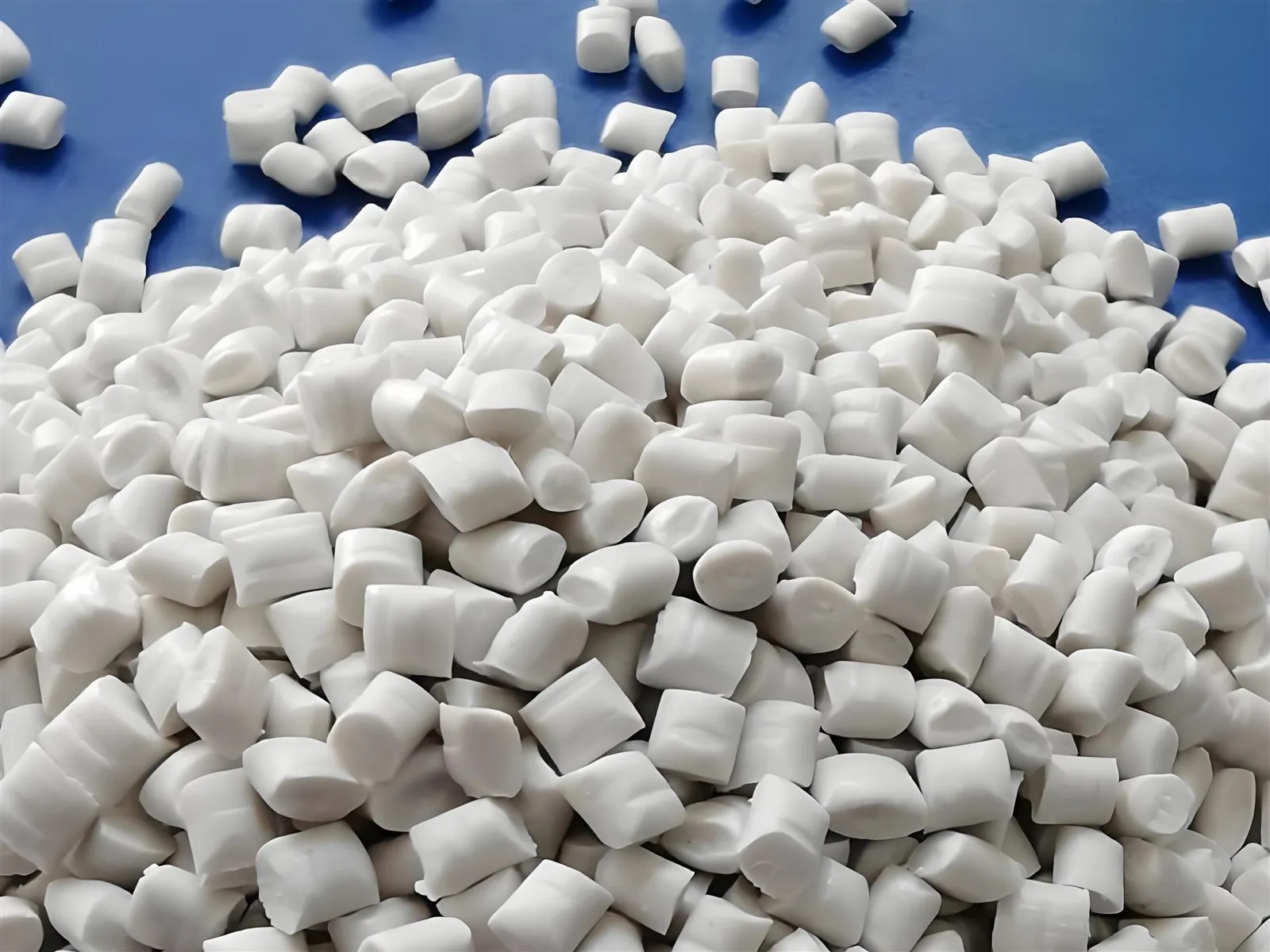
Polypropylene offers a good balance of chemical resistance, temperature performance, and cost. Its low density makes it ideal for lightweight electrical components. While not as widely used for primary insulation as the plastic pvc extrusion profile, PP excels in applications requiring resistance to oils and chemicals.

Thermoplastic Elastomers (TPE)
TPEs combine the elasticity of rubber with the processability of plastics. They offer excellent sealing properties and can be formulated for good electrical insulation. In many applications, TPEs complement the plastic pvc extrusion profile by providing flexible components in systems where both rigid structural elements and flexible seals or gaskets are required.
Material Selection Considerations
Choosing the right material for an extrusion application involves evaluating several critical factors to ensure optimal performance and cost-effectiveness. While the plastic pvc extrusion profile remains a versatile choice for many electrical applications, specific requirements may dictate alternative materials.
Key Selection Criteria:
Electrical Properties: Dielectric strength, volume resistivity, and tracking resistance
Thermal Performance: Continuous use temperature range and heat deflection characteristics
Flame Resistance: UL ratings, oxygen index, and smoke generation properties
Mechanical Requirements: Strength, flexibility, impact resistance, and dimensional stability

Electrical & Electronics Applications
How extrusion profiles enhance performance, safety, and reliability in electrical systems
Cable Conduits & Management
The plastic pvc extrusion profile is widely used in cable management systems due to its excellent insulating properties and flame resistance. These profiles protect electrical wiring from physical damage, moisture, and chemical exposure while organizing cables for efficient installation and maintenance.
Extruded cable conduits come in various configurations including rigid raceways, flexible conduits, and modular trunking systems. Specialized designs feature snap-fit connections, mounting provisions, and access points for easy installation and reconfiguration.

LED Lighting Components
Extruded profiles play a crucial role in LED lighting systems, serving as heat sinks, light diffusers, and protective housings. The plastic pvc extrusion profile is often used for decorative trim and mounting channels, while PC profiles provide superior light transmission for diffusers.
These profiles can be designed with precise optical characteristics to control light distribution, reduce glare, and enhance efficiency. Many LED extrusion systems feature snap-fit designs for easy lamp replacement and maintenance.

Equipment Housings & Enclosures
Extruded profiles form the basis of many electrical equipment housings, providing protection for sensitive components while allowing for efficient heat dissipation. The plastic pvc extrusion profile is valued for these applications due to its combination of mechanical strength, electrical insulation, and flame resistance.
Enclosure profiles can be designed with integral mounting features, gasket channels, and ventilation slots. Many systems use modular extrusion designs that can be customized with different end caps and accessories for specific applications.

Industrial Control Systems
In industrial control systems, extruded plastic profiles provide insulation, protection, and structural support for panels, enclosures, and mounting systems. The plastic pvc extrusion profile is particularly well-suited for these environments due to its resistance to industrial chemicals and its ability to maintain performance across a wide temperature range.
These profiles are used in control cabinets, operator interfaces, and machine guards, often requiring precise dimensions for proper component alignment and safety certification compliance.

Specialized Applications
Consumer Electronics
Precision extruded components for laptops, smartphones, and home appliances, including bezels, gaskets, and internal structural elements.
Power Distribution
Insulating profiles for switchgear, distribution panels, and terminal blocks, often utilizing the plastic pvc extrusion profile for safety-critical applications.
Display Technologies
Light management profiles, bezels, and structural components for LCD, OLED, and quantum dot displays in various sizes and configurations.
Telecommunications
Protective and insulating profiles for fiber optic systems, wireless equipment, and network infrastructure components.
Quality Control & Standards
Ensuring precision, performance, and compliance in every extrusion profile
Rigorous Testing Protocols
Every plastic pvc extrusion profile and other extruded components undergo comprehensive testing to ensure they meet or exceed industry standards. Our quality control process begins with raw material inspection and continues through every stage of production.
Dimensional Accuracy
Advanced laser measurement systems check critical dimensions to ensure compliance with tight tolerances, typically within ±0.05mm for precision components.
Electrical Performance
Dielectric strength testing, volume resistivity measurements, and tracking resistance evaluations ensure the plastic pvc extrusion profile meets electrical safety standards.
Flame Resistance
Testing according to UL94, IEC 60695, and other standards ensures that extrusion profiles meet required fire safety classifications for their intended applications.
Environmental Resistance
Accelerated aging tests, chemical exposure evaluations, and temperature cycling ensure long-term performance in harsh operating environments.
Compliance with International Standards
UL Certifications
Our plastic pvc extrusion profile and other components meet various UL standards, including UL94 for flammability, UL746C for polymeric materials, and UL94-V0 for critical fire safety applications.
UL94 - Flammability of Plastic Materials
UL746C - Polymeric Materials - Use in Electrical Equipment
UL1581 - Reference Standard for Electrical Wires, Cables
IEC Standards
Our extrusion products comply with relevant IEC standards, ensuring international acceptance and performance consistency across global markets.
IEC 60695 - Fire Hazard Testing
IEC 60243 - Dielectric Strength Testing
IEC 60811 - Electrical and Optical Fibre Cables
Quality Management
Our manufacturing processes are certified to international quality management standards, ensuring consistent production of high-quality extrusion profiles.
ISO 9001 - Quality Management Systems
ISO 14001 - Environmental Management
IATF 16949 - Automotive Quality Standards
Technological Innovations
Advancements shaping the future of plastic extrusion for electrical applications
Smart Extrusion Systems
Industry 4.0 technologies have revolutionized extrusion processes with real-time monitoring and adaptive control systems. These smart systems optimize production parameters for the plastic pvc extrusion profile and other materials, ensuring consistent quality while minimizing waste.
Integrated sensors throughout the extrusion line provide continuous data on temperature, pressure, and dimensional characteristics, allowing for immediate adjustments and predictive maintenance.
Advanced Die Design
Computer-aided engineering (CAE) and 3D printing have transformed die design and manufacturing. Complex internal geometries that optimize material flow can now be created, resulting in more consistent profiles with tighter tolerances.
These advancements allow for faster prototyping of new die designs, reducing time-to-market for custom extrusion profiles while improving the performance of standard products like the plastic pvc extrusion profile.
Sustainable Materials
Environmental innovations have led to the development of bio-based and recycled materials for extrusion processes. These sustainable alternatives maintain the performance characteristics required for electrical applications while reducing environmental impact.
Recycled content can be incorporated into the plastic pvc extrusion profile without compromising critical properties, and new biodegradable polymers are being developed for specific applications where end-of-life considerations are paramount.
Multi-Material Extrusion
Advanced co-extrusion technologies enable the production of profiles combining multiple materials in a single process. This allows for optimized performance by integrating different properties into a single component.
For example, a profile might combine a rigid plastic pvc extrusion profile core with a TPE outer layer for enhanced grip or sealing properties, all produced in a single pass through the extrusion line.
Nanocomposite Materials
The integration of nanotechnology into extrusion materials has enabled significant performance enhancements. Nanocomposites offer improved mechanical strength, thermal stability, and flame resistance at reduced additive levels.
These advanced materials are particularly beneficial for the plastic pvc extrusion profile, allowing for thinner walls while maintaining or improving electrical insulation properties and fire resistance ratings.
Digital Twin Technology
Digital twin technology creates virtual replicas of extrusion processes, enabling detailed simulation and optimization before physical production begins. This reduces development time and material waste while improving final product performance.
For complex profiles, digital twins can predict and prevent potential issues related to material flow, cooling, and dimensional stability, ensuring successful production of even the most intricate designs beyond the standard plastic pvc extrusion profile.
Future Trends in Plastic Extrusion
The plastic extrusion industry continues to evolve, driven by demands for higher performance, greater sustainability, and increased customization. These trends are particularly pronounced in the electrical and electronics sector, where miniaturization and performance requirements continue to advance.
Further integration of IoT sensors in extrusion lines for real-time quality control
Development of conductive and semi-conductive extrusion profiles for smart devices
Enhanced recycling capabilities for post-industrial and post-consumer extrusion waste
Advanced additive manufacturing techniques combined with extrusion processes
As these technologies advance, the humble plastic pvc extrusion profile will continue to evolve, incorporating new materials and designs to meet emerging challenges in the electronics industry. From 5G infrastructure to renewable energy systems, extrusion profiles will play a critical role in enabling the technologies of tomorrow.
Self-healing polymer systems for increased durability and longevity
Multi-functional profiles integrating structural, insulating, and cooling capabilities
Lightweighting through advanced design and material selection
On-demand local production enabled by distributed manufacturing networks
Frequently Asked Questions
Expert answers to common questions about plastic extrusion in electrical applications

What makes the plastic pvc extrusion profile ideal for electrical applications?
PVC offers an excellent balance of electrical insulation properties, flame resistance, mechanical strength, and cost-effectiveness. It can be formulated to meet strict fire safety standards like UL94-V0, making it suitable for applications where fire risk is a concern. Additionally, PVC extrudes well into complex shapes with tight tolerances, allowing for precise fitting in electrical assemblies.
How do extrusion processes ensure consistent quality in electrical components?
Modern extrusion processes utilize precise temperature control, advanced screw designs, and real-time monitoring systems to maintain consistent material flow and cooling. Statistical process control methods ensure that each plastic pvc extrusion profile meets dimensional and performance specifications. Additionally, rigorous testing protocols verify critical properties like dielectric strength and flame resistance throughout production runs.
What is the typical lead time for custom extrusion profiles?
Lead times for custom extrusion profiles vary based on design complexity, material selection, and order quantity. For standard materials like a custom plastic pvc extrusion profile with moderate complexity, lead times typically range from 4 to 6 weeks. This includes time for die design and manufacturing, material sourcing, production trials, and final production. Simple modifications to existing profiles can often be completed in 2 to 3 weeks.
Can extruded profiles be recycled at the end of their service life?
Yes, many extruded plastic profiles can be recycled, especially those made from single polymers like the plastic pvc extrusion profile. Post-industrial waste from extrusion processes is commonly recycled back into the production stream. Post-consumer recycling is more complex due to potential contamination but is increasingly feasible with advanced sorting and processing technologies. Many manufacturers offer take-back programs for their extrusion products to facilitate proper recycling.
How do environmental factors affect the performance of extruded plastic profiles?
Environmental factors like temperature, humidity, UV exposure, and chemical contact can impact the performance of extruded profiles. This is why material selection is critical-for example, a plastic pvc extrusion profile performs well in many indoor environments but may require UV stabilizers for outdoor use. Manufacturers test profiles under various environmental conditions to ensure they meet performance requirements throughout their expected service life, with accelerated aging tests providing data on long-term durability.