

You see PVC products everywhere. Your window frames, water pipes, electrical cables, and even medical tubing all started as plastic pellets. A PVC extrusion machine transforms these raw materials into the profiles we use daily.
The global plastic extrusion machine market reached $6.9 billion in 2024 and will hit $10 billion by 2033, according to IMARC Group data (imarcgroup.com). This growth reflects how essential these machines are to modern manufacturing.
What Is PVC Extrusion and Why It Matters
PVC extrusion is a continuous manufacturing process. The machine melts polyvinyl chloride pellets and forces them through a shaped die. Think of it like squeezing toothpaste from a tube, but with molten plastic at 180-200°C.
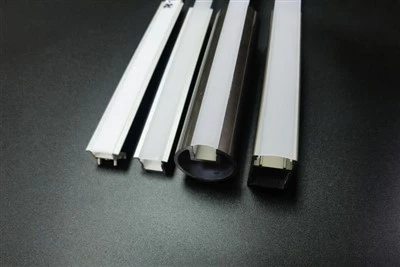
The process creates products with consistent cross-sections. You get the same shape along the entire length, whether it's a pipe, window frame, or cable insulation.
Single-screw extruders dominate the market with 52.23% share in 2024, while twin-screw systems grow faster at 6.12% annually through 2030 (mordorintelligence.com). Each type serves different purposes based on your production needs.

Core Components That Make Extrusion Work
The Hopper and Feed System
Raw PVC pellets enter through the hopper. This funnel-shaped container feeds material into the barrel at a controlled rate. Consistent feeding prevents output fluctuations and maintains product quality.
Barrel and Screw Mechanism
The barrel houses a rotating screw that moves material forward. Three zones handle different tasks:
The feed zone grabs pellets and pushes them forward. Temperature stays low here to prevent premature melting.
The compression zone applies heat and pressure. The screw channel gets shallower, compressing material and forcing out air pockets.
The metering zone maintains consistent melt temperature and pressure. Material becomes homogeneous before exiting.
The Die That Shapes Everything
The die determines your final product shape. Dies cost $500 to $15,000 depending on complexity. Simple pipe dies are cheaper than intricate window profile dies.
Material flows through the die opening and takes its shape. Cooling systems immediately solidify the extruded profile to maintain dimensions.
Downstream Equipment
Calibrators use vacuum pressure to set exact dimensions. Cooling tanks bring temperature down to 40-60°C. Haul-off units pull the profile at constant speed. Cutters slice products to length.
Five Industries Relying on PVC Extrusion Daily
Construction Sector Dominance
Building materials account for the largest application segment. PVC pipes handle water distribution in 70% of new residential construction in developed markets (plasticsengineering.org).
Window frames, door seals, and siding profiles all come from extrusion lines. The material resists weathering and requires minimal maintenance.
Electrical and Cable Manufacturing
Cable insulation protects wires in homes and industries. PVC extrusion coats copper conductors with precise thickness. The process ensures electrical safety and prevents short circuits.
Multi-layer extrusion allows different PVC formulations in one cable. Inner layers provide insulation while outer layers resist UV damage.
Automotive Component Production
Car interiors use extruded PVC profiles for trim pieces and seals. Door weatherstripping prevents water and noise intrusion. Dashboard components start as extruded sheets that are later thermoformed.
The automotive industry demands tight tolerances of ±0.1mm. Modern extrusion lines achieve this through computer-controlled systems.
Medical Device Applications
Medical tubing requires ultra-clean production environments. PVC extrusion creates IV tubes, catheters, and blood bags. Material meets FDA regulations and sterilization requirements.
Specialized dies produce multi-lumen tubing with several channels in one profile. This reduces assembly steps and improves device reliability.
Packaging Industry Use
PVC films protect food products and consumer goods. Sheet extrusion produces materials for blister packaging and clamshells. The transparent material lets consumers see products while providing protection.
Blown film extrusion held 31.16% of market revenue in 2024 (mordorintelligence.com). This process creates thin films by inflating extruded tubes like balloons.
Operating Parameters You Need to Know
Temperature control determines product quality. Feed zones run at 150-170°C, compression zones at 170-190°C, and metering zones at 180-200°C. Each PVC formulation needs specific settings.
Screw speed affects output rate. Speeds range from 10 to 100 RPM depending on machine size. Higher speeds increase throughput but can degrade material if temperatures aren't properly controlled.
Back pressure regulates melt homogeneity. Values of 5-20 bar are typical. Too little pressure creates inconsistent melt, too much wastes energy and wears components.
Die temperature must match barrel temperature within ±5°C. Mismatches cause surface defects and dimensional variations.
Investment Breakdown: What You'll Actually Spend
Pipe extrusion machines cost $30,000 to $150,000, with smaller diameter machines at the lower end (deltaplastik.com). Profile extrusion systems range from $25,000 to $100,000 (deltaplastik.com).
Entry-level machines for startups begin around $15,000 for limited production capacity. Mid-range industrial units cost $50,000 to $80,000 and handle most standard applications.
High-output lines with automation reach $200,000+. These include material handling, quality monitoring, and packaging systems.
Additional costs include:
Installation and commissioning: $5,000-15,000. Dies and tooling: $500-15,000 per profile. Initial raw materials: $3,000-10,000. Operator training: $2,000-5,000. Spare parts inventory: $3,000-8,000.
The U.S. market alone was valued at $901.42 million in 2024 and will reach $1.55 billion by 2033 (astuteanalytica.com). This represents a 6.2% annual growth rate.
Three Efficiency Methods That Cut Operating Costs
Energy Optimization
Modern machines use servo motors instead of hydraulic systems. This reduces power consumption by 30-40%. Insulating barrel zones prevents heat loss and lowers electricity bills.
Barrel temperatures stabilize faster with better insulation. This reduces startup time from 2 hours to 45 minutes, saving both energy and labor costs.
Material Waste Reduction
Proper die design minimizes scrap during startup. Well-maintained systems achieve 95%+ material utilization. Recycling startup scrap back into the process eliminates waste disposal costs.
Consistent process parameters reduce rejected products. Quality monitoring systems catch defects immediately rather than after producing hundreds of meters of unusable material.
Predictive Maintenance
Monitoring screw wear prevents catastrophic failures. Replacing screws proactively costs $5,000-15,000 versus $30,000+ for emergency repairs plus lost production.
Tracking motor current reveals bearing problems before breakdowns. Temperature sensors identify heating element failures early. These small investments prevent expensive downtime.
Quality Control: Ensuring Consistent Output
Dimensional accuracy requires constant monitoring. Laser micrometers measure product diameter in real-time with ±0.01mm precision. Automated systems reject out-of-spec products immediately.
Wall thickness gauges use ultrasonic or X-ray technology. They detect variations that affect structural integrity. Critical applications like pressure pipes demand verification every meter.
Surface quality inspection catches defects like die lines, orange peel, or contamination. Vision systems scan products at line speed and flag problems for operator review.
Mechanical testing validates product performance. Samples undergo tensile strength, impact resistance, and flexibility tests. Results confirm material properties meet specifications.
Common Problems and Their Solutions
Material Degradation
Yellow or brown discoloration indicates thermal breakdown. Lower barrel temperatures by 5-10°C and reduce screw speed. Check for worn screws that create excessive shear heat.
Brittleness suggests over-processing. Reduce residence time by increasing screw speed slightly while maintaining output through die adjustments.
Dimensional Variation
Inconsistent sizing comes from fluctuating line speed. Upgrade to servo-controlled haul-off systems for precise speed regulation. Calibrate vacuum levels in cooling tanks to maintain consistent suction.
Temperature swings cause expansion and contraction. Install better barrel zone controllers with ±1°C accuracy. Protect lines from drafts and ambient temperature changes.
Surface Defects
Die lines appear as longitudinal streaks. Polish die surfaces and check for material buildup at transitions. Replace damaged chrome plating on die surfaces.
Melt fracture creates rough shark-skin texture. Reduce screw speed or increase die temperature. Switch to PVC formulations with better flow properties.
Production Bottlenecks
Slow cooling limits output speed. Add more cooling capacity or switch to spray cooling for faster heat removal. Optimize water temperature and flow rates.
Downstream equipment that can't keep up restricts the entire line. Match haul-off and cutting speeds to extruder capacity. Consider automation for material handling.
Automation Technologies Changing the Game
Smart sensors monitor 20+ process parameters simultaneously. Systems adjust temperatures, pressures, and speeds automatically to maintain optimal conditions. This reduces operator skill requirements and improves consistency.
Recipe management software stores perfect settings for each product. Switching between profiles takes minutes instead of hours of trial-and-error adjustments. Production efficiency increases by 15-25%.
Predictive analytics use machine learning to forecast maintenance needs. Algorithms analyze vibration patterns, power consumption, and temperature trends. Maintenance happens during planned downtime rather than emergency shutdowns.
Industry 4.0 integration connects extrusion lines to factory management systems. Real-time production data flows to scheduling and inventory systems. Material ordering happens automatically based on usage patterns.
Environmental Considerations in Modern Extrusion
PVC recycling has improved significantly. Post-consumer PVC can be reground and reprocessed through extrusion. Material properties remain acceptable for non-critical applications after proper formulation adjustment.
Energy-efficient systems reduce carbon footprint. New barrel heating designs use 20% less electricity than ten-year-old machines. Improved insulation and zone control contribute to energy savings.
Water recycling in cooling systems conserves resources. Closed-loop cooling reduces water consumption by 70% compared to once-through systems. This matters in regions with water scarcity.
Emission control captures plasticizer volatiles and prevents workplace contamination. Modern extraction systems maintain air quality while protecting operator health.
Comparing Single-Screw vs Twin-Screw Systems
| Feature | Single-Screw | Twin-Screw |
|---|---|---|
| Initial Cost | $25,000-100,000 | $80,000-250,000 |
| Output Rate | 50-500 kg/hr | 100-1000 kg/hr |
| Mixing Ability | Basic | Excellent |
| Material Versatility | Limited | High |
| Maintenance | Simpler | More complex |
| Energy Use | Lower | Higher |
| Best Applications | Simple profiles, pipes | Compounds, filled materials |
Single-screw machines dominate standard PVC pipe and profile production. They're simpler to operate and maintain. Most manufacturers start with single-screw systems.
Twin-screw extruders excel at compounding and mixing. If you need to blend additives, fillers, or create custom formulations, twin-screw technology provides better homogeneity. The pharmaceutical and specialty compounds sectors prefer twin-screw systems.
Future Developments to Watch
Hybrid heating systems combine induction and resistance heating. This reduces energy consumption by another 10-15% beyond current efficient designs. Several European manufacturers already offer these systems.
Digital twins create virtual replicas of physical extrusion lines. Engineers test process changes in simulation before implementing them. This reduces trial-and-error and accelerates product development.
Advanced materials expand PVC capabilities. New formulations improve heat resistance, impact strength, and weatherability. Modified PVC grades enable applications previously requiring more expensive engineering plastics.
Additive manufacturing integration allows rapid prototyping of dies. 3D-printed die inserts reduce development time from weeks to days. This accelerates time-to-market for new products.
Frequently Asked Questions
What production capacity should I expect from a PVC extrusion machine?
Output ranges from 50 to 500 kg/hr for standard machines. Small profile lines produce 50-150 kg/hr. Pipe extrusion runs 200-500 kg/hr depending on diameter. Actual capacity depends on product complexity and cooling requirements.
How long does it take to switch between different products?
Die changes take 2-4 hours including cleaning and temperature stabilization. Downstream equipment adjustments add 30-60 minutes. Automated systems reduce changeover time to under 90 minutes. Recipe management software cuts startup waste significantly.
What training do operators need?
Basic operation requires 1-2 weeks of training. Operators learn material handling, startup procedures, and quality checks. Advanced troubleshooting takes 3-6 months of experience. Many manufacturers offer comprehensive training programs with machine purchase.
How often do major components need replacement?
Screws last 10,000-20,000 operating hours with proper maintenance. Barrels need replacement after 15,000-30,000 hours. Dies can run indefinitely with regular cleaning and reconditioning. Heating elements and sensors have 5,000-10,000 hour lifespans.
Can I run recycled PVC through extrusion machines?
Yes, but with limitations. Mix recycled content with virgin material at 20-30% for most applications. Higher percentages work for non-critical uses. Clean, properly sorted recyclate performs better. Filtration systems remove contaminants that could damage equipment.
What are typical payback periods for extrusion investments?
Most operations see ROI within 2-4 years. High-volume production shortens payback to 18-24 months. Factors include production hours, product margins, and market demand. Energy-efficient machines reduce operating costs and improve returns.
Do I need special facilities for PVC extrusion?
You need adequate electrical service, typically 200-400 amps three-phase power. Ventilation systems handle process emissions. Water supply for cooling requires 5-20 gallons per minute. Floor space needs 500-2000 square feet depending on line configuration.
What causes the most production downtime?
Material feeding problems account for 30% of downtime. Temperature control issues cause 25% of stoppages. Downstream equipment failures represent 20% of delays. Proper maintenance and operator training minimize these issues.

Making the Right Choice for Your Application
Start by defining your product requirements. What profiles do you need? What volumes justify the investment? Understanding these basics prevents buying wrong equipment.
Evaluate supplier support carefully. Training, spare parts availability, and technical assistance matter more than initial price. A $10,000 cheaper machine that lacks support costs more long-term.
Consider future expansion needs. Buy capacity slightly above current requirements. Adding 20-30% extra capacity costs little upfront but provides growth room.
Visit operating installations when possible. See machines running production, talk to operators, and observe maintenance procedures. Real-world performance reveals more than sales presentations.
PVC extrusion machines transform raw materials into products that touch every part of modern life. Understanding the process helps you make informed equipment decisions and operate systems efficiently. The technology continues advancing with better automation, improved energy efficiency, and expanded material capabilities.