

Precision in Plastic Extrusion Profiles
Since 1998, Dachang has been crafting custom plastic extrusion profiles using PVC, PP, and PC. ISO 9001:2000 certified, our durable plastic extrusion profiles serve global industries with innovative solutions.

The World of Plastic Extrusion Profiles
Plastic extrusion profiles are versatile, customizable products used across countless industries. This comprehensive guide explores everything from manufacturing processes to material science, applications, and quality control.
What Are Plastic Extrusion Profiles?
Plastic extrusion profiles are continuous, uniform shapes produced through a manufacturing process called extrusion. This process involves melting plastic material and forcing it through a die to create specific cross-sectional profiles. The result is a consistent, high-quality product that can be cut to any length.
At Dachang, we specialize in creating custom plastic extrusion profiles tailored to our clients' exact specifications. Since 1998, we've refined our techniques to produce plastic extrusion profiles that meet the most demanding industry standards.
The versatility of plastic extrusion profiles lies in their ability to be designed with complex cross-sections, integrating multiple features into a single component. This eliminates the need for assembly of multiple parts, reducing costs and improving reliability.
Customizable to exact specifications
Consistent quality across production runs
Cost-effective for both large and small volumes
Wide range of material options

The Evolution of Plastic Extrusion Profiles
1950s - Early Days
Basic plastic extrusion processes developed, producing simple plastic extrusion profiles primarily for packaging and limited industrial applications. Materials were limited to basic plastics like polyethylene.
1970s - Technological Advancements
Improved extrusion machinery allowed for more complex plastic extrusion profiles. Introduction of PVC extrusion expanded applications into construction and automotive industries.
1990s - Precision Engineering
Computer-controlled systems revolutionized the industry, enabling precise manufacturing of complex plastic extrusion profiles. Quality standards emerged, with ISO certifications becoming important benchmarks.
2000s - Material Innovations
Development of advanced polymers expanded the capabilities of plastic extrusion profiles. Introduction of composite materials and recycled content addressed environmental concerns while maintaining performance.
Present - Smart Manufacturing
Industry 4.0 technologies like AI and IoT optimize production of plastic extrusion profiles. Digital design tools enable rapid prototyping, while sustainability drives material and process innovations.
The Plastic Extrusion Profiles Manufacturing Process
Creating high-quality plastic extrusion profiles requires precision engineering and strict process control. From design to finished product, each step is critical to achieving the desired specifications.
Design & Engineering
The process begins with precise design of the plastic extrusion profiles. Our engineers use advanced CAD software to create detailed specifications, considering material properties, intended use, and manufacturing requirements.
Design for manufacturability (DFM) principles ensure that the plastic extrusion profiles can be produced efficiently while meeting all performance criteria.
Die Manufacturing
Custom dies are crafted to shape the molten plastic into the exact cross-section of the desired plastic extrusion profiles. These precision tools are machined to tolerances as tight as ±0.001 inches.
Die design is critical to ensuring proper flow of molten plastic, preventing defects, and achieving the precise dimensions required for the plastic extrusion profiles.
Material Preparation
Plastic resins (PVC, PP, PC, etc.) are selected based on the requirements of the plastic extrusion profiles. Materials may be blended with additives, colorants, UV stabilizers, or reinforcing agents.
Raw materials are carefully measured and mixed to ensure consistency in the final plastic extrusion profiles.
Extrusion Process
The prepared material is fed into the extruder, where it is heated to a molten state. A rotating screw conveys the molten plastic through the barrel and forces it through the die, forming the continuous plastic extrusion profiles.
Temperature, pressure, and speed are precisely controlled to ensure uniform quality in the plastic extrusion profiles.
Cooling & Sizing
As the newly formed plastic extrusion profiles exit the die, they pass through a cooling system – typically a water bath or cooling chamber – which solidifies the plastic while maintaining its shape.
Sizing fixtures ensure the plastic extrusion profiles maintain their precise dimensions as they cool and solidify.
Cutting & Finishing
The continuous plastic extrusion profiles are cut to the required lengths using precision saws or cutting tools. Additional finishing processes may include punching, drilling, or surface treatments.
Final inspections ensure each piece meets the specifications for the plastic extrusion profiles.
Advanced Extrusion Techniques
Modern plastic extrusion profiles manufacturing employs several advanced techniques to create complex, high-performance products:
Co-Extrusion
This process combines multiple materials into a single plastic extrusion profile, creating products with enhanced properties. For example, a rigid core with a flexible outer layer or UV-resistant outer layer with a structural inner core.
Tri-Extrusion
Similar to co-extrusion but using three different materials, this technique creates plastic extrusion profiles with complex property combinations for specialized applications.
Profile Welding
Specialized equipment can weld plastic extrusion profiles together, creating larger structures while maintaining strength and integrity.
Foam Extrusion
This process introduces gas into the molten plastic, creating lightweight plastic extrusion profiles with excellent insulation properties and reduced material usage.


Materials Used in Plastic Extrusion Profiles
The selection of materials is fundamental to the performance of plastic extrusion profiles. Each material offers unique properties that make it suitable for specific applications.
Polyvinyl Chloride (PVC)
PVC is the most widely used material for plastic extrusion profiles due to its versatility, cost-effectiveness, and excellent mechanical properties.
Key Properties:
Excellent chemical resistance
Good strength and rigidity
Fire retardant properties
Low moisture absorption
Cost-effective
Common Applications:
Window profiles, door seals, pipe systems, electrical enclosures, automotive trim, and construction components.
Polypropylene (PP)
PP is valued for its combination of strength, flexibility, and chemical resistance, making it ideal for many plastic extrusion profiles applications.
Key Properties:
High impact resistance
Excellent chemical resistance
Low density (lightweight)
Good fatigue resistance
Recyclable
Common Applications:
Packaging profiles, automotive components, medical devices, consumer goods, and industrial parts requiring flexibility.
Polycarbonate (PC)
PC offers exceptional strength and clarity, making it a premium choice for plastic extrusion profiles requiring transparency and durability.
Key Properties:
Excellent impact resistance
High optical clarity
Good heat resistance
Dimensionally stable
UV resistant options available
Common Applications:
Lighting components, safety barriers, medical equipment, electronic enclosures, and applications requiring transparent plastic extrusion profiles.
Specialty Materials & Additives
Other Materials for Plastic Extrusion Profiles
Polyethylene (PE)
Known for flexibility and chemical resistance, PE is used in plastic extrusion profiles for packaging, tubing, and protective covers.
Acrylonitrile Butadiene Styrene (ABS)
Offers a good balance of strength, rigidity, and impact resistance, making it suitable for structural plastic extrusion profiles in consumer goods and automotive applications.
Polystyrene (PS)
Provides excellent clarity and rigidity at a low cost, used for display plastic extrusion profiles and packaging components.
Nylon (Polyamide)
Offers high strength, lubricity, and chemical resistance, used in plastic extrusion profiles for gears, bearings, and industrial components.
Additives for Enhanced Performance
UV Stabilizers
Protect plastic extrusion profiles from degradation caused by sunlight exposure, extending service life in outdoor applications.
Fire Retardants
Reduce flammability of plastic extrusion profiles, making them suitable for building materials and electrical applications.
Reinforcements
Fiberglass or carbon fibers can be added to increase strength and rigidity of plastic extrusion profiles for structural applications.
Colorants & Pigments
Provide consistent coloration for plastic extrusion profiles, with options for UV-stable colors and custom formulations.
Antimicrobials
Prevent growth of bacteria and mold on plastic extrusion profiles, ideal for medical, food service, and hygiene applications.
Material Selection Guide for Plastic Extrusion Profiles
| Material | Strength | Flexibility | Chemical Resistance | Temperature Resistance | Cost |
|---|---|---|---|---|---|
| PVC | Good | Moderate | Excellent | Moderate | Low-Medium |
| PP | Good | Good | Excellent | Good | Low-Medium |
| PC | Excellent | Moderate | Good | Excellent | High |
| PE | Moderate | Excellent | Excellent | Moderate | Low |
| ABS | Good | Moderate | Moderate | Moderate | Medium |
Our engineers can help select the optimal material for your specific plastic extrusion profiles application based on performance requirements and budget considerations.
Advanced Technologies in Plastic Extrusion Profiles Manufacturing
Continuous innovation in manufacturing technologies has revolutionized the production of plastic extrusion profiles, enabling greater precision, efficiency, and design flexibility.
Computer-Aided Design & Engineering
Modern plastic extrusion profiles begin as digital models created using advanced CAD software. This allows for precise design of complex cross-sections and integration of multiple features into a single plastic extrusion profile.
3D Modeling & Simulation
3D modeling software allows engineers to create detailed virtual representations of plastic extrusion profiles, enabling visualization and testing before any physical production.
Finite Element Analysis (FEA)
FEA simulations test the structural integrity and performance of plastic extrusion profiles under various conditions, optimizing designs for strength, flexibility, and durability.
Flow Simulation
Specialized software simulates the flow of molten plastic through extrusion dies, helping engineers optimize die design for uniform wall thickness and minimal defects in plastic extrusion profiles.

Precision Extrusion Controls
Modern extrusion lines feature computerized controls that maintain precise temperature, pressure, and speed parameters throughout the production of plastic extrusion profiles. Real-time monitoring ensures consistent quality and minimizes waste.
Automated Handling Systems
Robotic systems and automated conveyors handle plastic extrusion profiles throughout the manufacturing process, reducing human contact, improving consistency, and increasing production efficiency while maintaining precision.
Vision Inspection Systems
High-resolution cameras and machine vision systems inspect plastic extrusion profiles for dimensional accuracy, surface defects, and color consistency, ensuring only perfect products reach customers.
Industry 4.0 in Plastic Extrusion Profiles Manufacturing
The integration of digital technologies, IoT, and data analytics is transforming plastic extrusion profiles manufacturing, creating "smart factories" that are more efficient, flexible, and responsive.
IoT-Enabled Production Lines
Sensors throughout the extrusion process collect real-time data on all aspects of production. This data is analyzed to optimize performance, predict maintenance needs, and ensure consistent quality in plastic extrusion profiles.
Data-Driven Process Optimization
Advanced analytics identify patterns and correlations in production data, enabling continuous improvement of plastic extrusion profiles manufacturing processes. This leads to reduced waste, improved efficiency, and better product quality.
Digital Twin Technology
Virtual replicas of production systems allow manufacturers to simulate changes and optimize processes before implementing them on the actual line, reducing risk and accelerating innovation in plastic extrusion profiles production.
Cloud-Based Production Management
Centralized cloud platforms provide real-time visibility into all aspects of plastic extrusion profiles manufacturing across multiple locations, enabling better decision-making and faster response to changing market demands.

Applications of Plastic Extrusion Profiles
Plastic extrusion profiles are used across a vast range of industries due to their versatility, durability, and cost-effectiveness. Custom formulations and designs make them suitable for nearly any application.
Construction
The construction industry relies heavily on plastic extrusion profiles for both structural and finishing applications.
Window and door profiles and seals
Wall cladding and trim
Insulation profiles
Electrical conduit and cable management
Roofing components and gaskets
Automotive
The automotive industry uses plastic extrusion profiles for both interior and exterior components.
Weatherstripping and door seals
Window trim and molding
Cable management and protection
Interior trim and decorative profiles
HVAC system components
Electronics
Electronic devices and systems utilize plastic extrusion profiles for protection and organization.
Enclosure profiles and bezels
Cable management systems
Heat dissipation profiles
Insulating profiles
Display surrounds and protective edges
Medical
Medical-grade plastic extrusion profiles meet strict regulatory requirements for safety and biocompatibility.
Medical device components
Hospital equipment trim and seals
Protective covers and shields
Disposable medical components
Pharmaceutical packaging profiles
Packaging
Plastic extrusion profiles play a vital role in protective and display packaging solutions.
Edge protectors and corner guards
Display rack profiles
Sealing strips and gaskets
Protective sleeves and channels
Shelf dividers and organizers
Furniture
The furniture industry uses plastic extrusion profiles for both structural and decorative purposes.
Edge banding and trim
Chair and table components
Drawer guides and slides
Protective bumpers and feet
Decorative moldings and accents
Custom Plastic Extrusion Profiles Solutions
At Dachang, we specialize in creating custom plastic extrusion profiles tailored to your unique requirements. Our engineering team works closely with clients to develop solutions that meet specific performance, durability, and aesthetic needs.
Custom Shapes
From simple to complex cross-sections, we can create plastic extrusion profiles in virtually any shape.
Color Matching
Precise color matching ensures your plastic extrusion profiles integrate seamlessly with existing designs.
Material Combinations
Co-extrusion allows combining different materials in a single plastic extrusion profile for enhanced performance.
Special Features
Integrate gaskets, seals, or other features directly into your plastic extrusion profiles.
Quality Control in Plastic Extrusion Profiles Manufacturing
Maintaining strict quality standards is essential in producing reliable, consistent plastic extrusion profiles. Our ISO 9001:2000 certification demonstrates our commitment to quality throughout the manufacturing process.
Our Quality Assurance Process
Quality is integrated into every stage of our plastic extrusion profiles manufacturing process, from material selection to final inspection.
Raw Material Testing
All materials used in our plastic extrusion profiles undergo rigorous testing to ensure they meet specification requirements for melt flow, density, and other critical properties.
In-Process Monitoring
Critical process parameters are continuously monitored during production of plastic extrusion profiles, with automated alerts for any deviations from optimal settings.
Dimensional Inspection
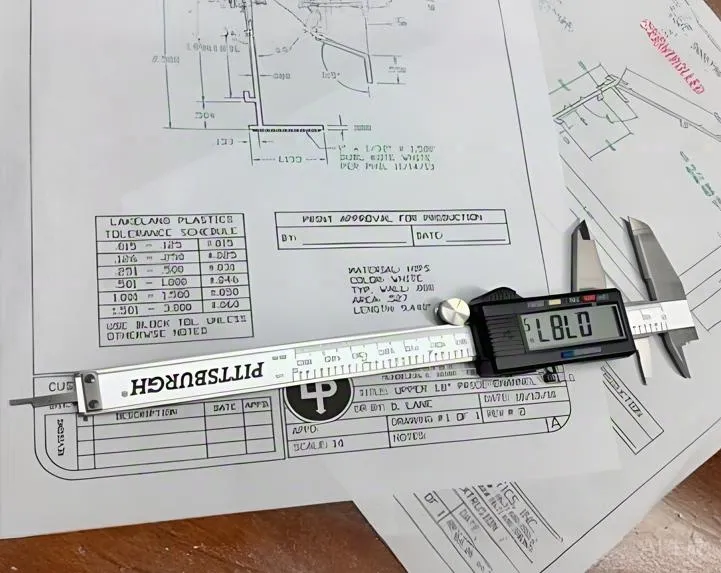
Each batch of plastic extrusion profiles is checked for dimensional accuracy using precision measuring tools, ensuring compliance with tight tolerances.
Performance Testing
Samples from each production run undergo testing for strength, flexibility, impact resistance, and other performance characteristics relevant to the plastic extrusion profiles' intended use.
Final Inspection
A comprehensive final inspection ensures that only plastic extrusion profiles meeting our strict quality standards are shipped to customers.
ISO 9001:2000
Our ISO 9001:2000 certification demonstrates our commitment to quality management systems that ensure consistent quality in our plastic extrusion profiles.
This international standard ensures we follow documented procedures for design, production, and service, with continuous improvement processes in place.
Industry Standards
Our plastic extrusion profiles meet or exceed relevant industry standards, including those specific to construction, automotive, and medical applications.
We stay current with evolving standards and regulations to ensure our plastic extrusion profiles remain compliant for all intended applications.
Documentation
Comprehensive documentation accompanies every order of plastic extrusion profiles, including material certificates, test reports, and compliance documentation.
Our traceability system allows us to track each batch of plastic extrusion profiles from raw materials through production to final delivery.
Our Testing Capabilities for Plastic Extrusion Profiles
Dimensional Analysis
Precision measurement of all critical dimensions of plastic extrusion profiles using coordinate measuring machines (CMM) and optical comparators.
Tensile Testing
Measurement of tensile strength, elongation, and modulus to ensure plastic extrusion profiles meet mechanical performance requirements.
Heat Resistance
Testing plastic extrusion profiles under various temperature conditions to evaluate thermal stability and performance.
Chemical Resistance
Evaluating how plastic extrusion profiles withstand exposure to various chemicals, solvents, and environmental factors.
Impact Testing
Measuring the impact resistance of plastic extrusion profiles under different conditions to ensure durability in real-world applications.
UV Stability
Accelerated weathering tests to evaluate how plastic extrusion profiles resist degradation from sunlight exposure.
Hardness Testing
Measuring the hardness of plastic extrusion profiles to ensure they meet requirements for scratch resistance and durability.
Fatigue Testing
Evaluating the performance of plastic extrusion profiles under repeated stress to ensure long-term durability in dynamic applications.
Sustainability in Plastic Extrusion Profiles Manufacturing
As environmental concerns grow, the plastic extrusion profiles industry is committed to developing more sustainable practices and products with reduced environmental impact.
Our Commitment to Sustainable Plastic Extrusion Profiles
At Dachang, we recognize the importance of environmental responsibility in manufacturing plastic extrusion profiles. We continuously work to reduce our environmental footprint while maintaining product quality.
Recycled Materials
We incorporate recycled content into appropriate plastic extrusion profiles where performance requirements allow, reducing reliance on virgin materials and diverting plastic from landfills.
Bio-Based Polymers
We offer plastic extrusion profiles made from bio-based polymers derived from renewable resources, reducing carbon footprint and dependence on fossil fuels.
Energy Efficiency
Our extrusion facilities utilize energy-efficient equipment and processes, reducing the energy consumption associated with producing plastic extrusion profiles.
Water Conservation
Closed-loop water systems in our cooling processes minimize water usage and prevent contamination, supporting sustainable production of plastic extrusion profiles.
Waste Reduction
Our manufacturing processes are optimized to minimize waste, with any production scrap from plastic extrusion profiles recycled back into the production stream where possible.

The Future of Sustainable Plastic Extrusion Profiles
Biodegradable Solutions
Ongoing research into biodegradable and compostable polymers promises to expand the range of environmentally friendly plastic extrusion profiles for appropriate applications.
Circular Economy
Developing closed-loop systems where end-of-life plastic extrusion profiles are collected, recycled, and reused in new products is a key focus for sustainable manufacturing.
Life Cycle Optimization
Designing plastic extrusion profiles for maximum durability and recyclability while minimizing material usage through advanced engineering and simulation.